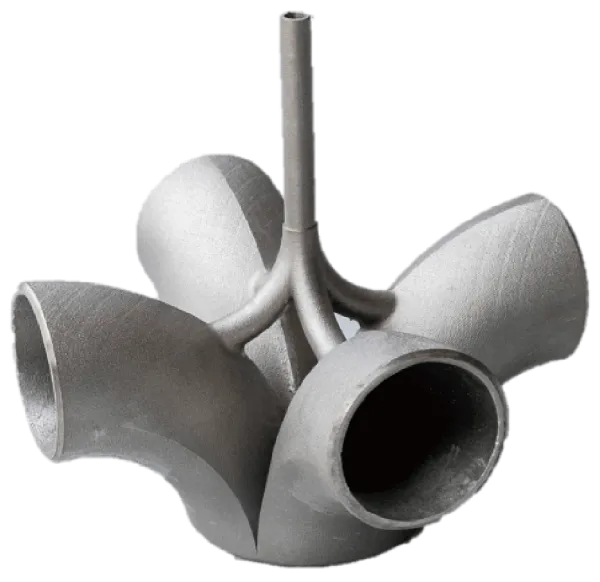
Lightweight Structure
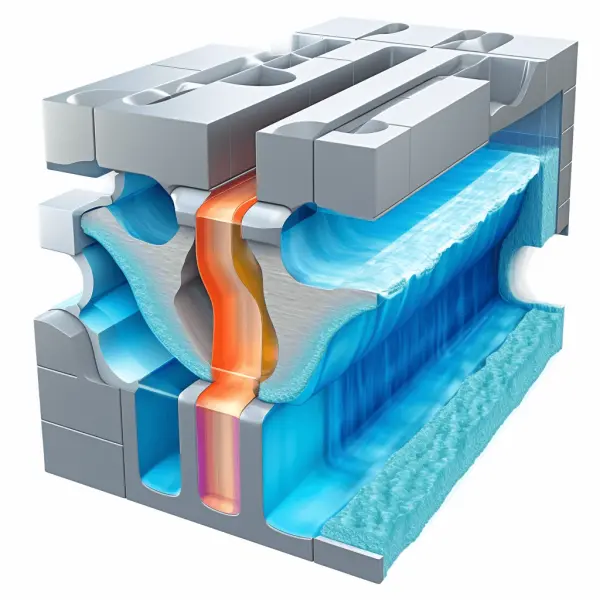
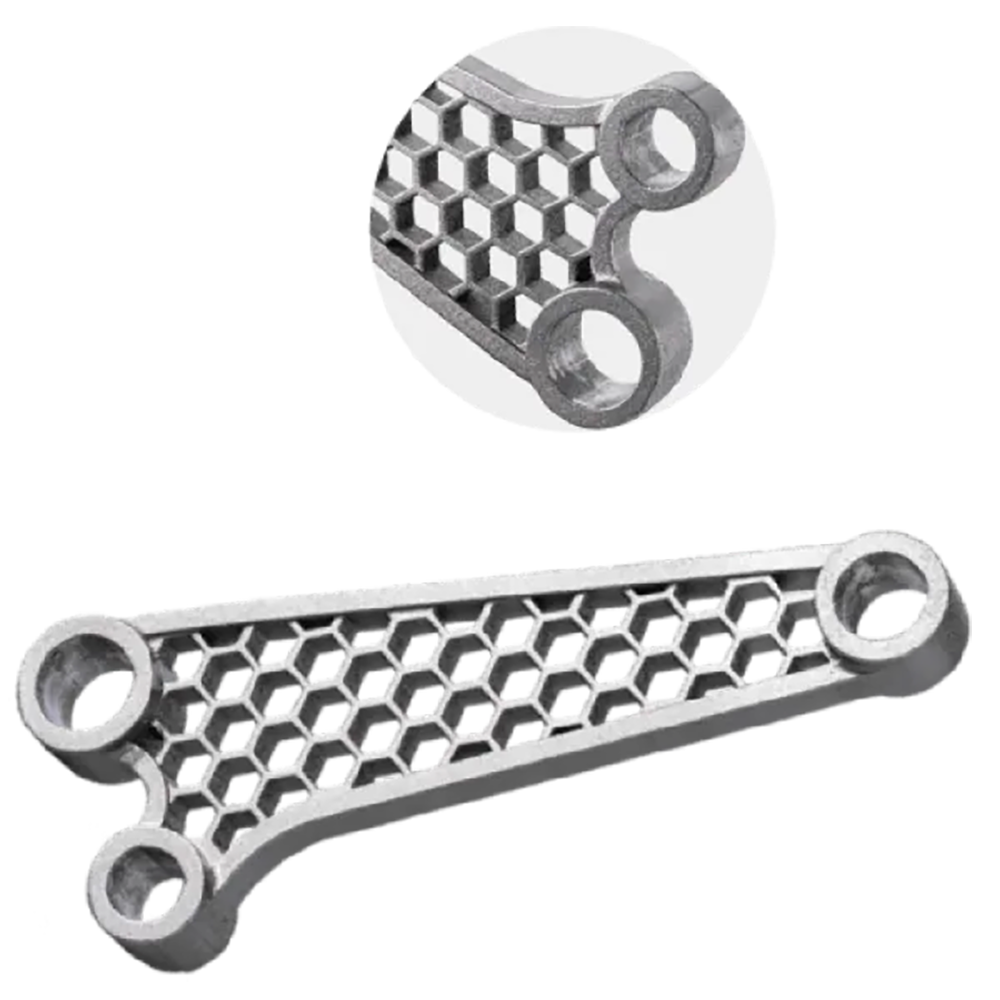
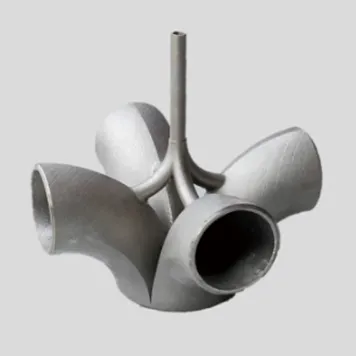
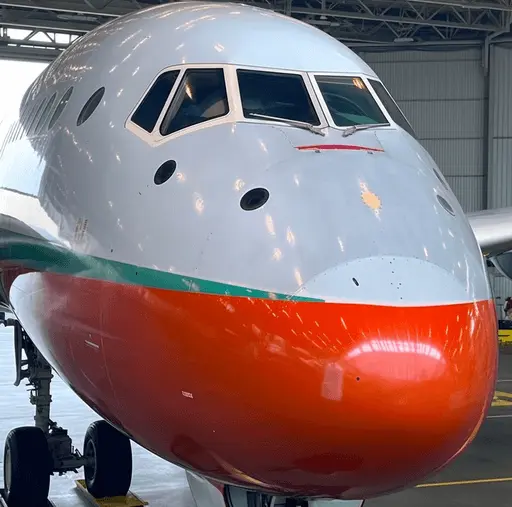
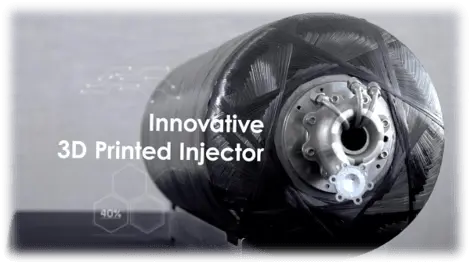
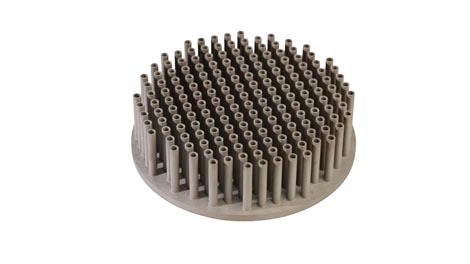
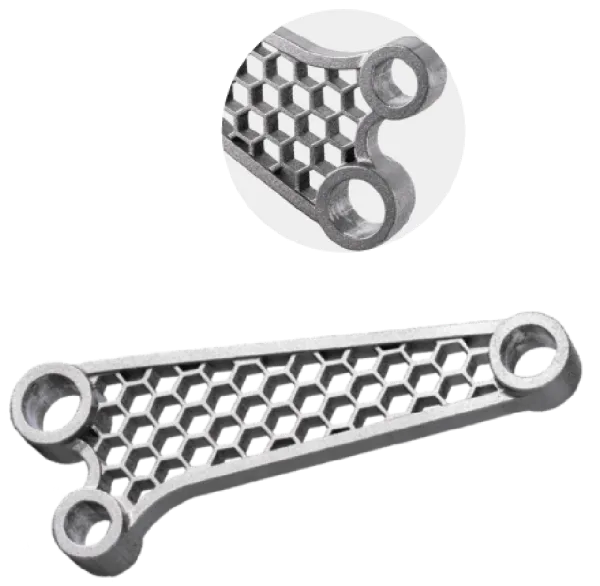
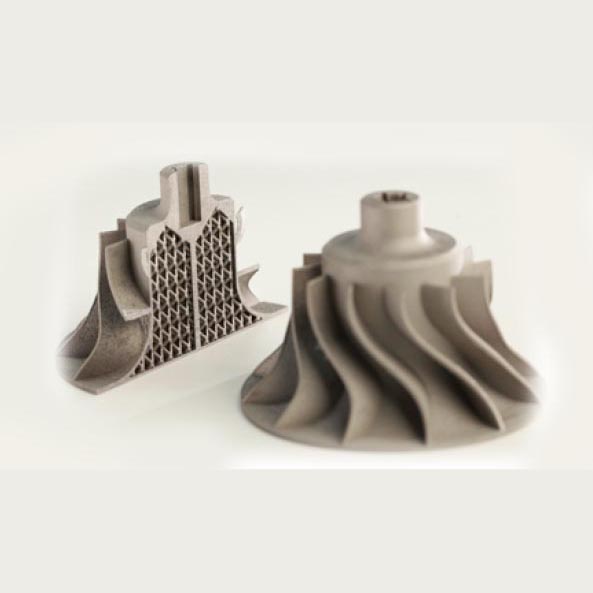
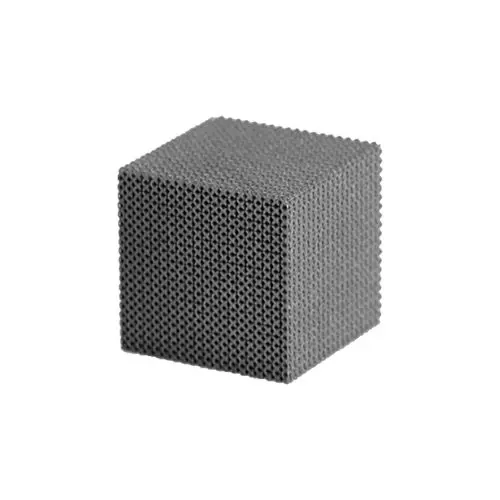
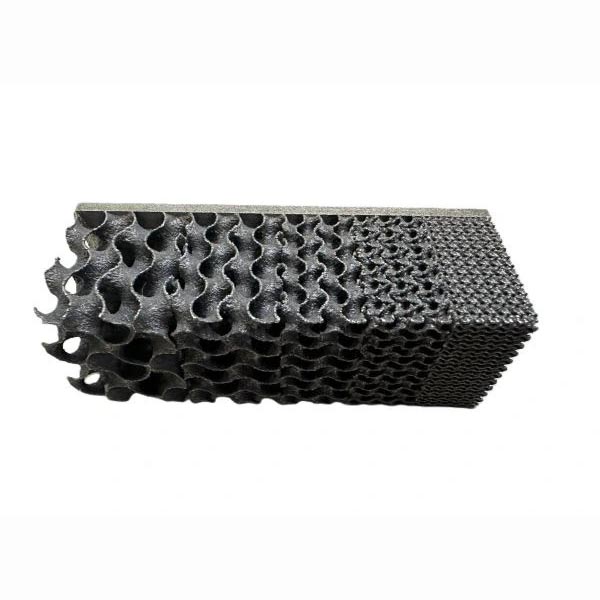
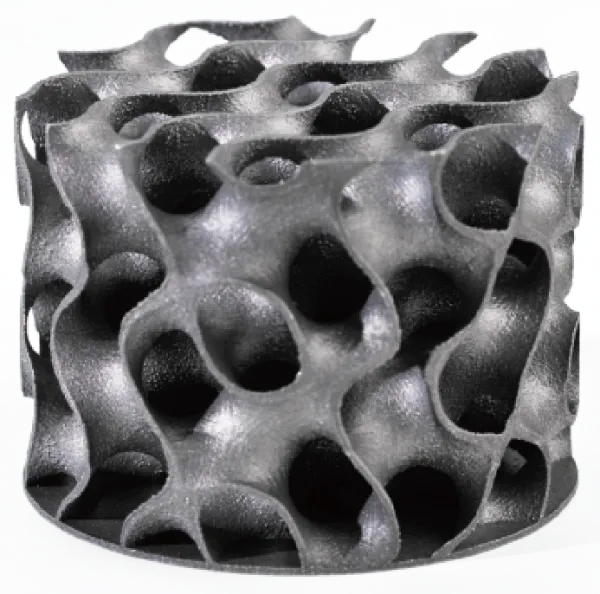
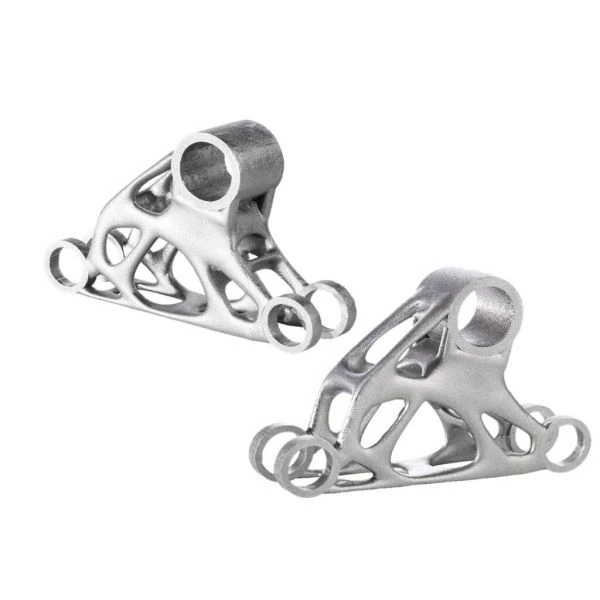
Metal 3D printing was first widely adopted in the aerospace industry and is now increasingly used in automotive and other vehicle component manufacturing. Topology optimization removes unnecessary structure to reduce part weight, eliminates traditional tooling costs, and suits small-batch and customized production — while reducing material and machining waste in line with ESG and energy-saving, carbon-reduction goals.
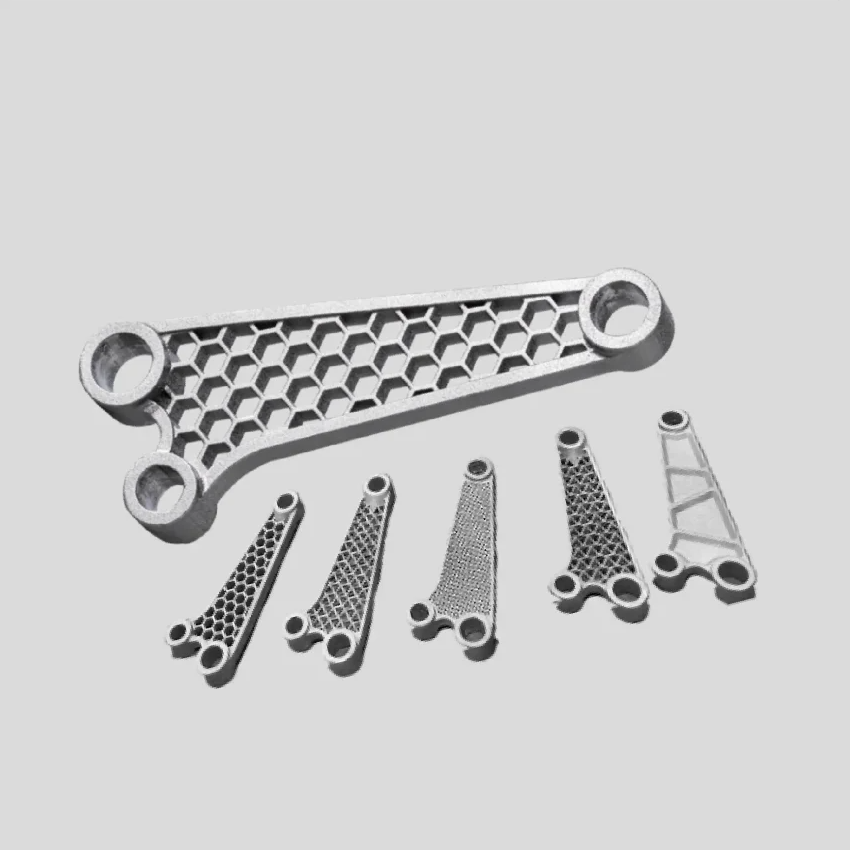
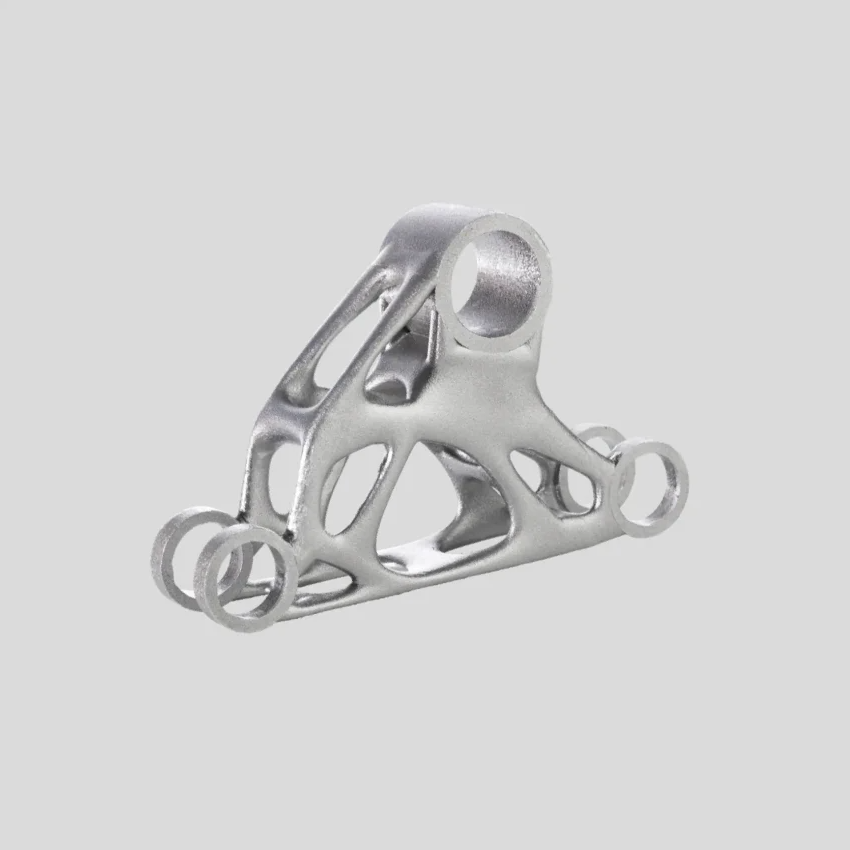
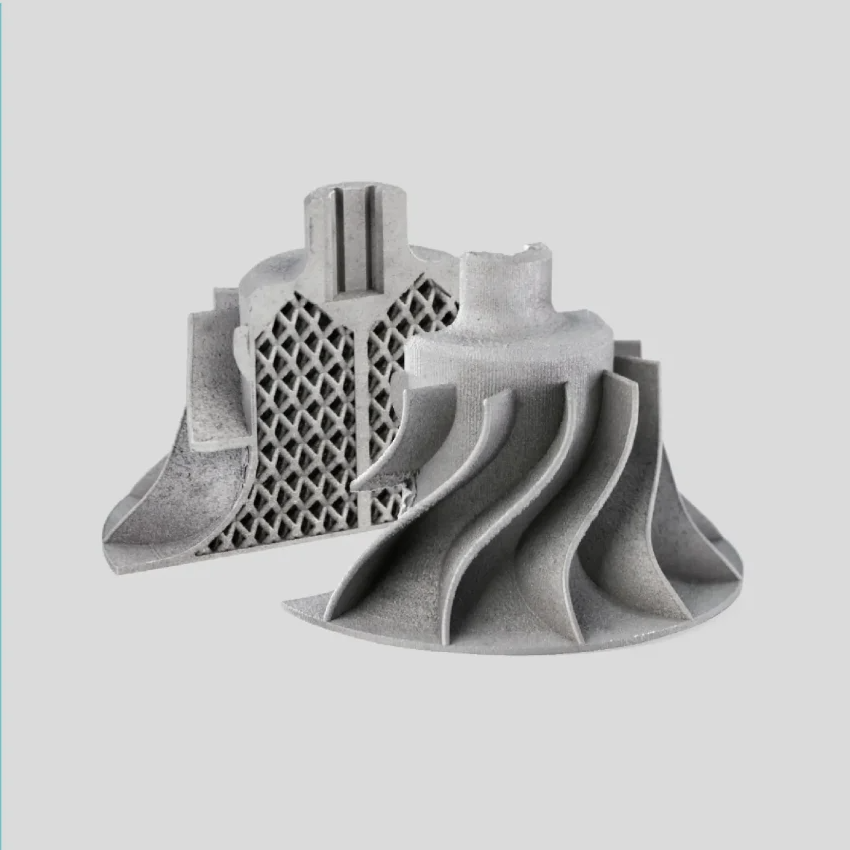
Reduced Part Weight
Topology optimization or material removal eliminates unnecessary mass, reducing part weight.
Rayvatek Technical Team
Professional product design and drawing recommendations
No Tooling Required · Small-Batch Customization
Eliminates traditional manufacturing tooling costs, enabling small-batch customized production.
Reduced Waste · ESG Compliant
Reduces production material waste, aligning with global ESG policies.
01/ Materials & Specifications
Materials & Specifications
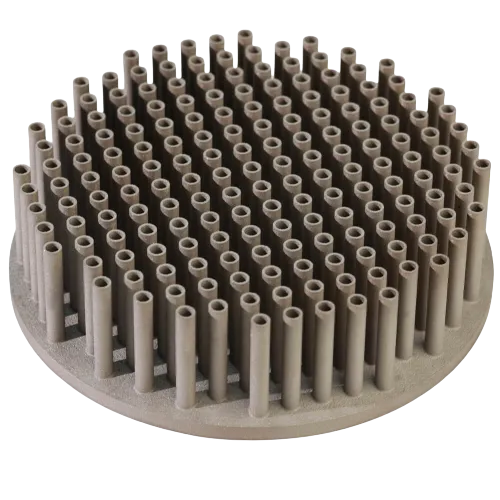
A range of metal materials and high-precision process specifications are available to match heat dissipation and cooling application requirements.
Common Material ・ Titanium Alloy
Aluminum Alloy
Stainless Steel
Nickel Alloy
> 99.99%
Density
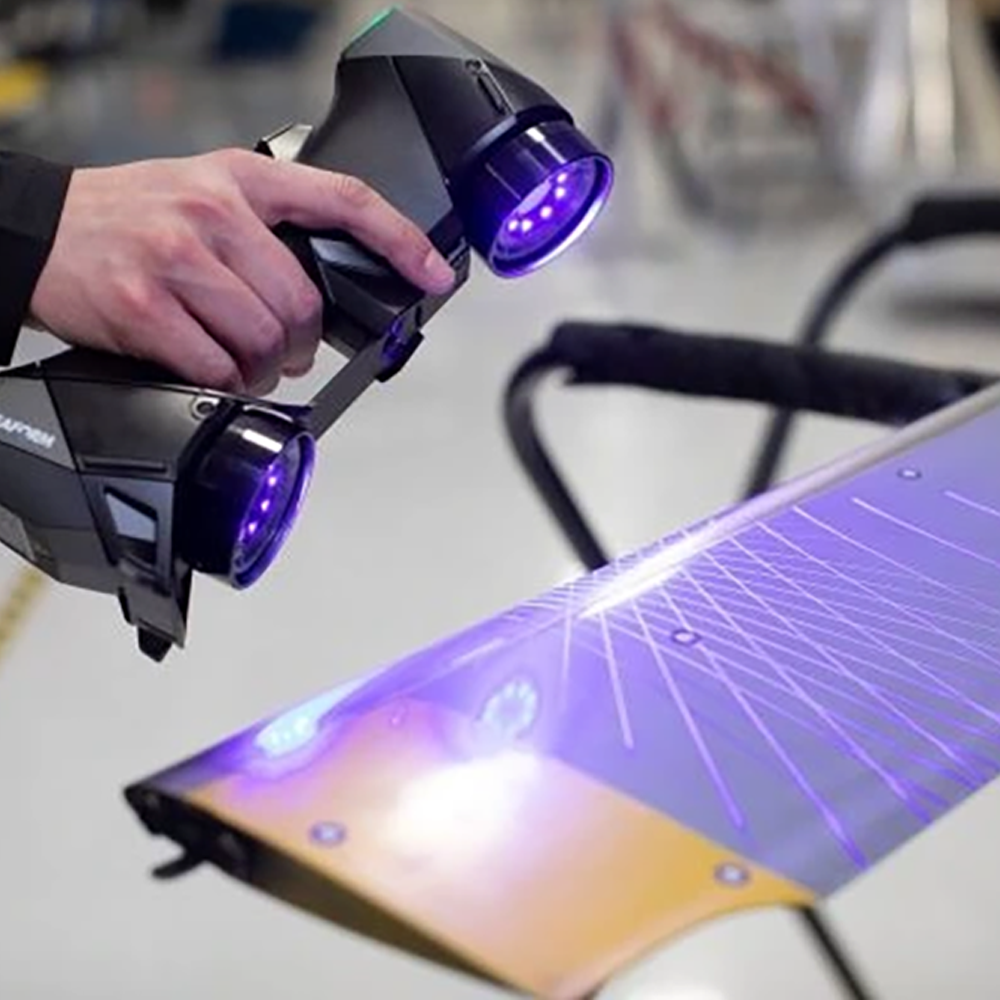
±0.05-0.1mm
Product Accuracy
+/- 0.2-0.4 mm
Wall Thinness
75 x 75 x 75 cm³
Max Build Size
Tip: Rayvatek's technical team can also assist with product design and drawing recommendations.